Biosimilar development services
Discuss your biopharmaceutical project with Lyotex Life Sciences in India. Our services connect clone development, process development, formulation, analytical methods, and technology transfer. Explore the stages below to identify the support your project needs.
For product enquiries, browse our protein and growth factor portfolio.
Product Selection & Clone Development
Product selection and clone development connect commercial feasibility with the scientific starting point of a biosimilar project. Support includes market and regulatory assessment, vector selection, gene synthesis, construct design, and clone selection.
Key capabilities
- Market and regulatory assessment
- Vector selection and gene synthesis
- Construct design and clone selection
Upstream Process Development
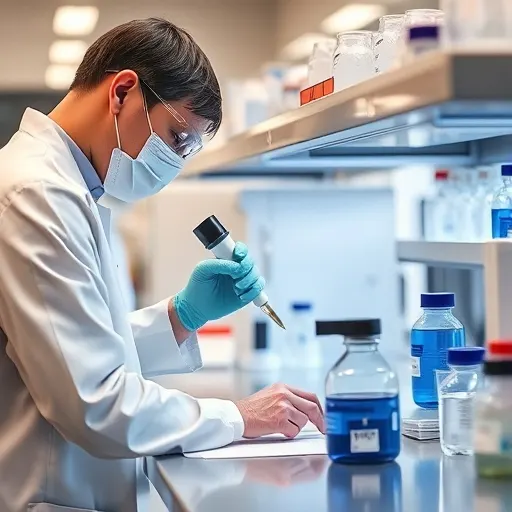
Upstream process development focuses on bacterial and mammalian processes, with fermentation experience supporting process scale-up. Discuss your expression system, current development stage, and intended scale with the team.
Key capabilities
- Bacterial processes
- Mammalian processes
- Process scale-up
Downstream Process Development
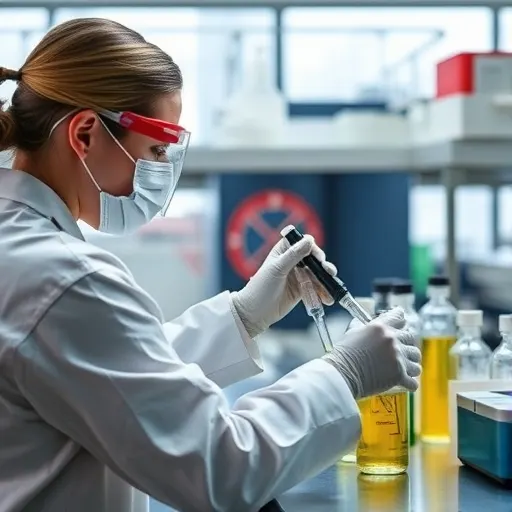
Downstream process development addresses purification as part of a biosimilar project. The team?s purification experience complements upstream development and includes insulin and antibody processes.
Key capabilities
- Purification development
- Insulin and antibody process experience
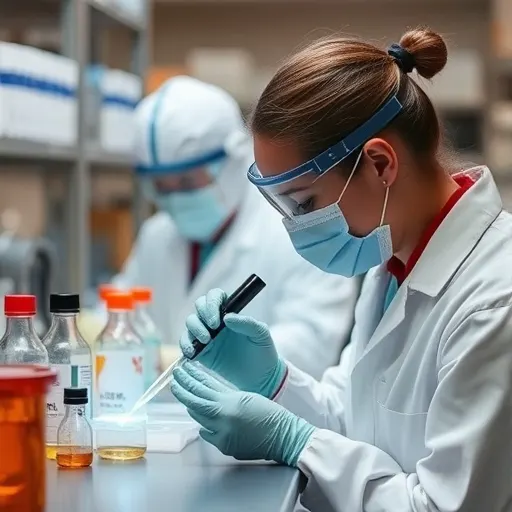
Formulation Development
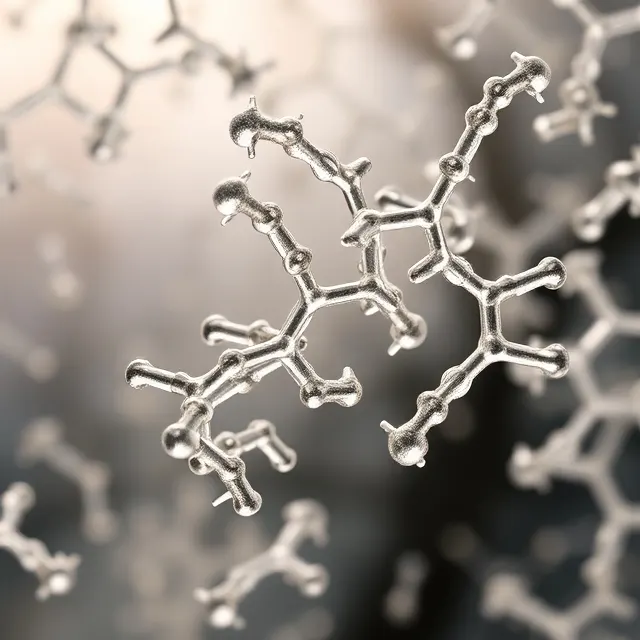
Formulation development considers protein stability and comparability through buffer and excipient selection. Stress testing and container-closure studies help inform the formulation approach for the product under development.
Key capabilities
- Buffer and excipient selection
- Stress testing
- Container-closure studies
Fill-Finish Development
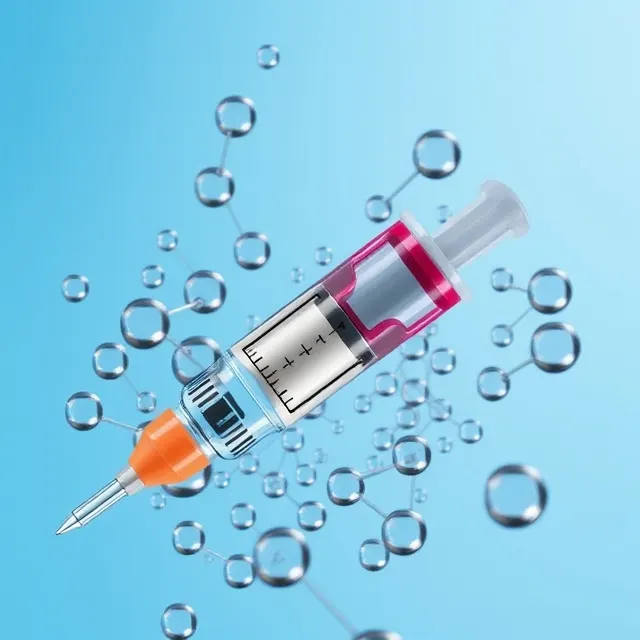
Fill-finish development considers the presentation required for the biosimilar, including vials, pens, cartridges, and prefilled syringes. Share the intended format and formulation requirements when discussing the development scope.
Key capabilities
- Vial presentations
- Pens and cartridges
- Prefilled syringe formats
Analytical Method Development
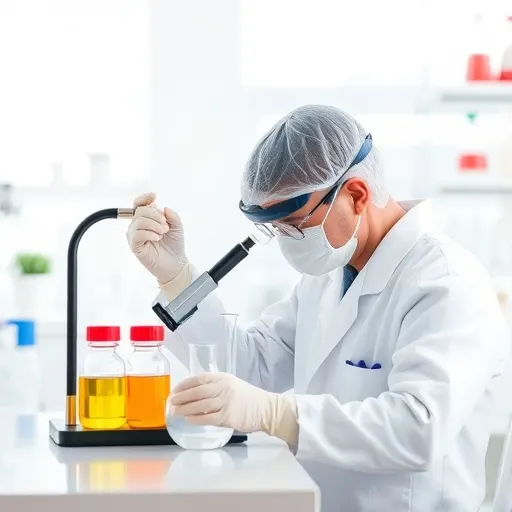
Analytical method development supports biosimilar quality control and batch-release testing. Capabilities include protein and impurity testing, chromatography, bioassays, and method verification and validation.
Key capabilities
- Protein and impurity testing
- Chromatography and bioassays
- Method verification and validation
Dossier Preparation
Dossier preparation connects development studies with manufacturing, characterization, and control information. Support covers documentation for domestic and international submissions, with the scope discussed for the intended market.
Key capabilities
- Manufacturing documentation
- Characterization and control information
Biosimilar Technology Transfer
Biosimilar technology transfer connects recombinant cell lines, process development, formulation, and finished-product development. Process knowledge and technical documentation support a careful, systematic handover across these disciplines.
Key capabilities
- Process and formulation transfer
- Technical documentation
Regulatory Support
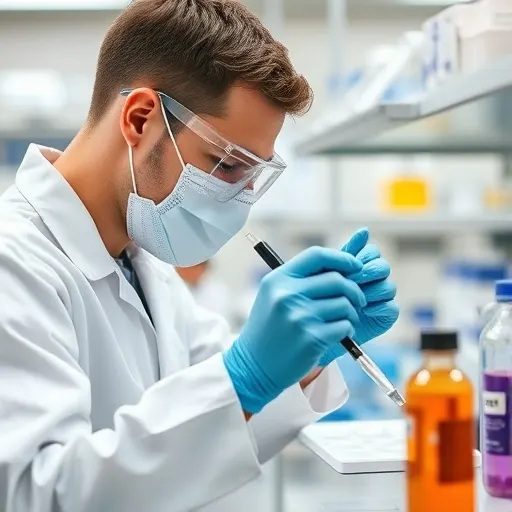
Regulatory support spans research, scale-up, clinical-stage activities, and launch. Discuss the intended market and development stage to identify support for manufacturing and marketing submissions.
Key capabilities
- Scale-up support
- Clinical-stage support
- Manufacturing and marketing submissions
Conceptual Facility Design
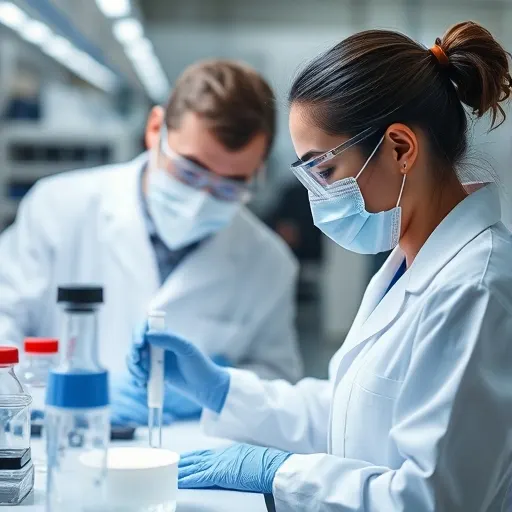
Conceptual facility design considers process flow, capacity, manufacturing flexibility, and applicable cGMP design requirements. The starting point is the process to be accommodated and its intended scale.
Key capabilities
- Process-flow planning
- Capacity considerations
- cGMP design requirements
Quality Management Systems
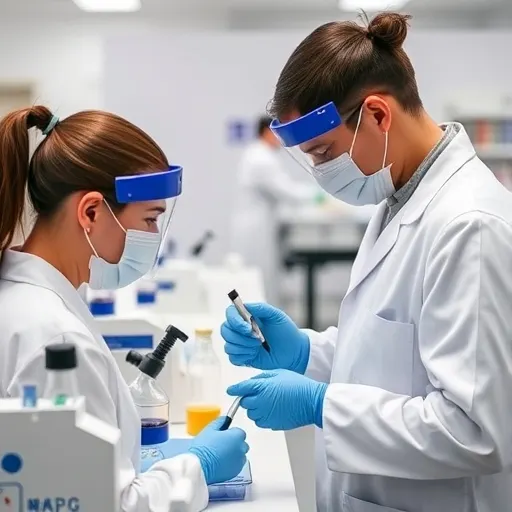
Quality management systems connect policies and procedures with risk assessment, change management, deviation management, corrective actions, and training. These activities support a documented approach to quality across development and technology transfer.
Key capabilities
- Policies and procedures
- Risk, change, and deviation management
- Corrective actions and training
Planning a biosimilar development project?
Useful starting points for discussing your requirements with Lyotex in India.
Which stages of development can I discuss with Lyotex?
Our services cover product and clone development, upstream and downstream processes, formulation, fill-finish, analytical methods, documentation, and technology transfer. Share your current development stage so the team can discuss the relevant scope.
What information should I include in a project enquiry?
Include the product or molecule, current development stage, intended market, available process information, required support, and target timeline. For a product enquiry, add the quantity, format, and documentation you need. Send your requirements to our team.
How do analytical development and quality systems fit together?
Analytical development addresses testing methods, while quality systems cover procedures, risk assessment, change management, investigations, and training. Both support a documented approach to development. Explore our quality approach.
What does biosimilar technology transfer involve?
Technology transfer connects process knowledge and technical documentation across development stages. Lyotex’s offering includes process and formulation transfer, with the scope discussed for the recombinant cell line, drug substance, and finished product involved.
Discuss Your Project
Connect with Lyotex Life Sciences about your development, quality, and technology-transfer requirements.